Bedding • Materials • Care
Coyuchi Comforters: A Guide to Fiber Sourcing, Warmth, and Care
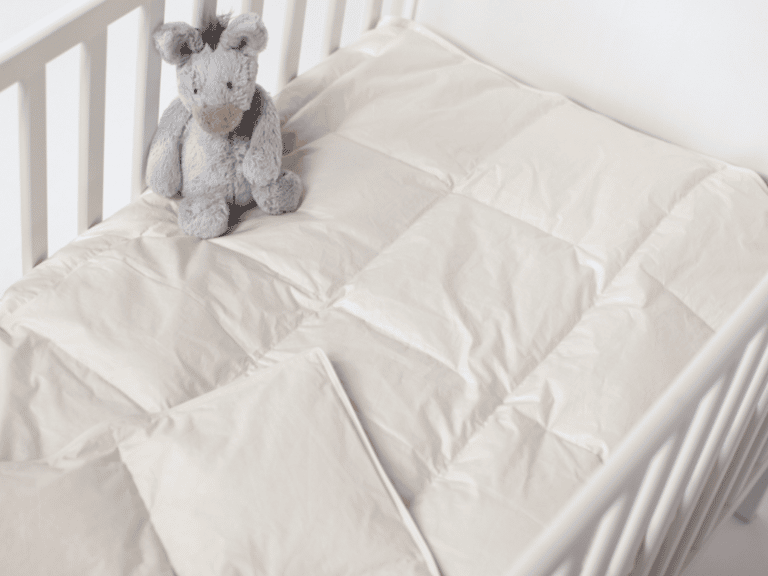
A comforter is an exercise in balance: warmth without unnecessary weight, softness that lasts beyond the first wash, and materials chosen with care from fiber to finished fabric. For caregivers considering Coyuchi comforters and other sustainable nursery textiles, the details behind the label matter as much as the look of the bed.
Rather than relying on broad claims such as “natural” or “eco-friendly,” evaluate the specifics: what the shell and fill are made from, how the comforter is constructed, which certifications apply, and what its care instructions ask of you. Those answers help clarify comfort, upkeep, and sourcing—and, in a nursery, they should sit alongside the most important consideration of all: age-appropriate sleep safety.
Begin with the comforter’s intended use
“Comforter” can describe a number of bedding constructions, but it generally refers to a filled textile designed to provide warmth. A shell encloses insulating fill, and quilting or sewn-through channels keep that fill from shifting too far. The shell and the filling each influence the feel, weight, breathability, and care requirements of the finished piece.
Before comparing materials, establish where and by whom the comforter will be used. A decorative bed layer for an adult bedroom, a blanket for supervised lounging, and bedding intended for a young child are not interchangeable use cases. In particular, a product being marketed for a crib does not make loose bedding appropriate for an infant’s sleep space. Safe-sleep guidance should be checked separately from textile claims.
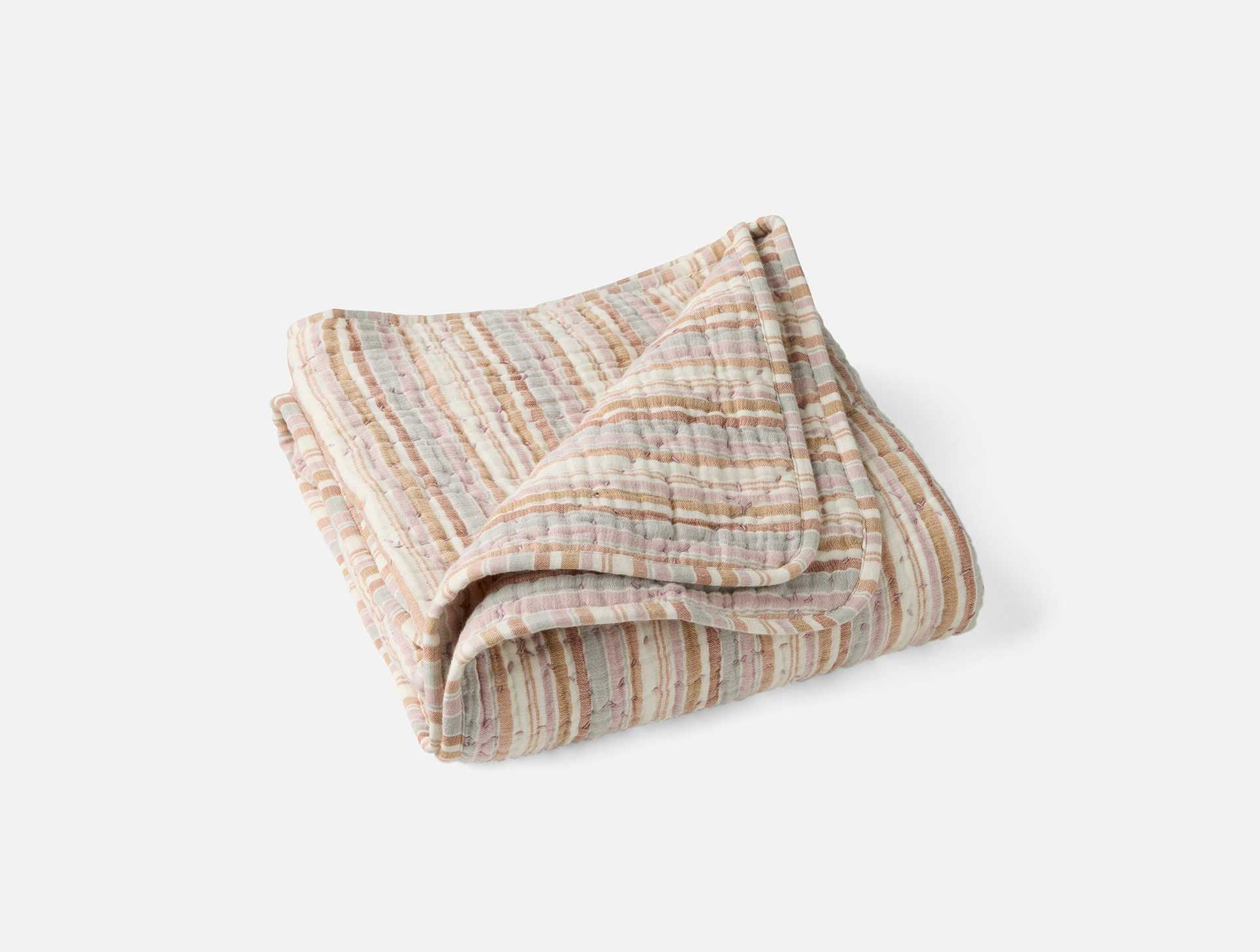
It is also useful to distinguish a comforter from a quilt, blanket, duvet, and wearable sleep sack. A quilt typically has a thinner filling secured by stitching; a blanket is generally an unfilled textile layer; a duvet cover encloses a separate insert; and a sleep sack is worn by a baby rather than placed loose in the sleep area. Product names may vary, so read construction and dimensions rather than assuming that labels mean the same thing across brands.
Read the fiber story from shell to fill
For any comforter, the phrase “made with organic cotton” is only a starting point. It may describe the outer fabric, the filling, or one component among several. Look for a clear material breakdown that identifies the shell, batting or fill, thread, and any lining or finishing materials. This matters both for practical reasons—different fibers have different care needs—and for understanding what a sourcing claim actually covers.
Cotton: familiar, breathable, and versatile
Cotton is widely used in bedding shells and quilted layers because it is familiar to care for and can be woven into fabrics with quite different characters. A smooth sateen shell feels distinct from airy muslin or a more textured percale. Weave, yarn, and finishing all contribute to hand-feel; fiber type alone does not tell you whether a fabric will feel crisp, drapey, or plush.
When cotton is described as organic, check whether a certification accompanies the claim and what parts of the product it covers. Certification can provide a more structured basis for evaluating material and processing standards, but its scope should not be overstated. A certification of the cotton or textile does not, by itself, prove every environmental or social claim a reader might associate with a product.
Wool and other insulating fills
Wool is used in some bedding fills for its insulating qualities and its ability to absorb moisture vapor. The resulting warmth depends on several factors, including the quantity of fill, the fabric surrounding it, and the way the comforter is stitched. Wool care can differ considerably from routine cotton laundry: some wool-filled bedding is designed for spot cleaning or specialized washing rather than a standard machine cycle.
Other fills may include down, down alternatives, or specialty blends. Each has its own performance and sourcing questions. With any fill, ask whether it is evenly distributed, whether the construction is designed to limit shifting, and whether the care label fits your household’s laundry habits. Avoid treating a material’s name as a guarantee of a particular level of warmth or ease of care.
Organic is a sourcing description, not a sleep-safety verdict
Organic production standards address aspects of how agricultural fibers are grown and, depending on the certification, how textile processing is managed. They do not establish that a comforter is appropriate for every age, climate, or sleep situation. Nor does “organic” automatically mean chemical-free in an absolute sense: textiles are made through processes, and precise claims should be supported by evidence and clearly defined standards.
Understand construction before judging warmth
Warmth is not simply a matter of a comforter feeling heavy in your hands. It is shaped by the type and amount of fill, the way air is held within the layers, the density of the shell, and the pattern of stitching. Construction also influences how well the filling stays in place after regular use and laundering.
- Sewn-through quilting joins the upper and lower shell layers at intervals. It can help secure fill, though the stitched lines may create areas with less insulation than the filled sections.
- Box construction uses internal walls or compartments to help keep fill distributed. Check the product description for the actual design rather than assuming every comforter uses the same method.
- Quilted batting is often held in place by repeated stitching. The spacing and pattern affect both the textile’s appearance and its ability to keep the inner layer from migrating.
- Fill weight and loft offer useful clues, but they need context. A lighter fill may suit a warmer room or a layering approach; a higher-loft construction may feel more insulating. Neither is inherently the better choice for every household.
Ask how a comforter is meant to be layered. Some are designed as a stand-alone top layer, while others work with a duvet cover or an additional blanket. A cover can protect the insert from some everyday soil, but it also adds another fabric layer and a separate laundering task. Consider the whole bedding system—mattress, sheets, room temperature, and other layers—rather than evaluating warmth in isolation.
For families, dimensions matter just as much as materials. Confirm that a comforter is sized for its intended bed and that it does not create an excessive overhang or bunching problem. For a toddler’s bed, transition timing and the child’s developmental stage matter; for an infant, loose bedding safety takes precedence over size or softness.
What certifications and sourcing details can tell you
Responsible fiber sourcing is easiest to evaluate when a product description names the material, identifies its origin where possible, and provides the relevant certification rather than relying on a string of reassuring adjectives. Certifications such as GOTS and OEKO-TEX are not interchangeable. They address different criteria and may apply to different stages, materials, or components, so check the certifier’s current explanation and the product’s documentation.
GOTS is associated with organic textile processing criteria, including requirements along defined parts of the supply chain. OEKO-TEX labels are associated with testing and criteria that vary by certification type. The presence of a label should prompt a specific question: what exactly is certified, by whom, and for which product or component? A product-level certificate or a traceable reference is more informative than a generic claim that a brand “uses certified materials.”
Origin information can add another layer of context. A brand may identify where fiber was grown, where fabric was woven, or where the finished item was made. These are different stages. A comforter can involve multiple countries and suppliers, so a single origin phrase may not describe the entire journey. Clear disclosure is useful, but it should not be mistaken for a full environmental assessment.
For a considered purchase, look for specific, verifiable statements about materials, processing, and manufacturing. Be cautious with claims such as “sustainable,” “non-toxic,” or “better for the planet” when no scope or supporting evidence is supplied. A responsible evaluation does not require a perfect product; it requires knowing what is known, what is certified, and what remains unclear.
Care is part of the sustainability calculation
A textile’s useful life depends partly on how well it fits the rhythms of a home. A comforter that requires care you cannot realistically provide may be difficult to maintain, even if its fibers appeal on paper. Before choosing, read the complete care label and consider how often the item may need cleaning, whether it can be washed at home, and how it should be dried.
Care instructions for cotton shells and quilted pieces commonly specify a temperature range, a gentle or regular cycle, and a drying method. Wool-filled products may ask for spot cleaning, limited water exposure, or air drying. These directions are not incidental: improper heat, agitation, detergent, or drying can affect shrinkage, texture, stitching, and fill distribution. Follow the instructions supplied with the individual item rather than applying a general rule to all natural fibers.
- Check the label first. Confirm the permitted water temperature, cycle, detergent guidance, and drying method.
- Wash only when needed. Routine airing and prompt attention to small spills may reduce unnecessary laundering, where the care instructions allow it.
- Use a compatible load size. A comforter needs room to move. An overloaded machine may not clean or rinse it evenly.
- Avoid unapproved heat. High dryer temperatures can stress fibers and finishes. Use the specified setting, or air dry if the label calls for it.
- Store it fully dry. Keep clean bedding in a dry, ventilated place, and make sure it is completely dry before folding away.
Repair is another practical measure. Loose stitching, a small seam opening, or a detached button may be manageable before the damage spreads. For a filled comforter, consult the maker’s guidance before opening a seam or attempting a repair that could disturb the fill. A well-maintained textile can remain useful for longer, reducing the need for frequent replacement.
A nursery requires a separate safety check
Material quality and infant sleep safety are related concerns, but they are not substitutes for one another. Softness, breathability, organic certification, and careful construction do not make a loose comforter safe for an infant’s sleep space. Current safe-sleep guidance from trusted public-health authorities should be reviewed before introducing any bedding, and caregivers should follow recommendations for the child’s age and sleep environment.
In general, established safe-sleep guidance for infants advises keeping the sleep surface firm, flat, and clear of loose bedding and soft objects. A fitted sheet designed for the mattress is different from a blanket or comforter. Do not place a comforter, quilt, pillow, or other soft item in an infant’s sleep area unless current guidance from an appropriate authority specifically supports its use in the circumstances. When in doubt, ask the child’s healthcare professional and consult current official recommendations.
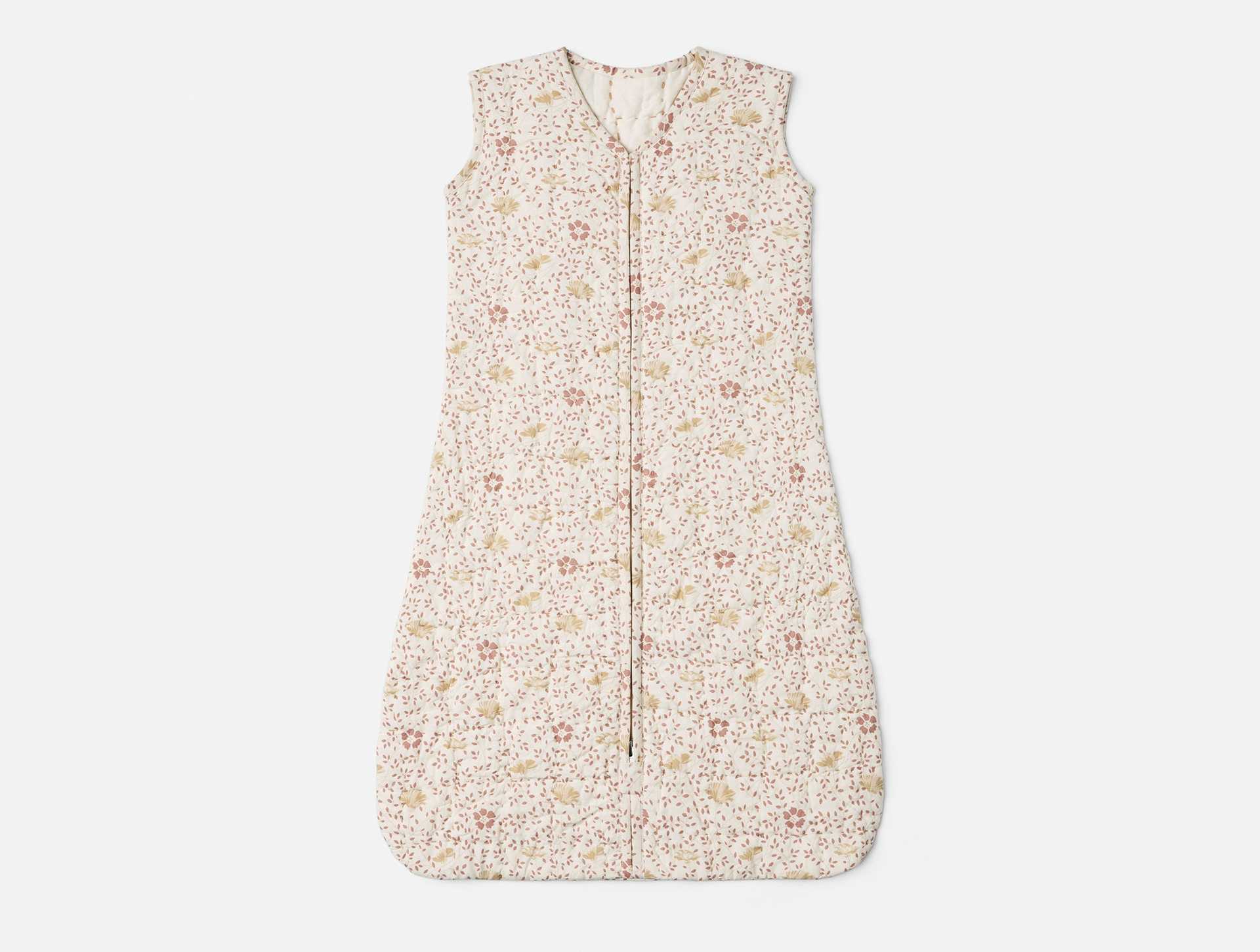
Products such as wearable blankets are a separate category, but they still need to be used according to their instructions and the child’s developmental stage. Check fit, fasteners, and the manufacturer’s age or size guidance. Avoid adding extra layers that could cause overheating, and do not use a swaddle once an infant shows signs of beginning to roll. Safe-sleep guidance can change; verify the latest advice rather than relying on an old checklist or a product description.
Once a child is older and using bedding in line with current guidance, practical questions still matter: whether the comforter fits the bed, whether it is too warm for the room, and whether the child can manage it comfortably. The key is to treat safety as a decision based on the child and the sleep setting—not as a benefit automatically conferred by a particular brand or fiber.
A thoughtful checklist for comparing Coyuchi comforters
When assessing Coyuchi comforters—or any bedding described as organic or responsibly sourced—use a consistent set of questions. This makes it easier to compare similar products without being swept along by attractive styling or broad sustainability language.
- What is every component made from? Identify the shell, fill, batting, lining, and any blend rather than relying on a headline material.
- What does the construction do? Look for quilting, compartments, stitch pattern, and any explanation of how the fill is secured.
- What level of warmth is intended? Consider fill type and amount, room temperature, and whether the piece is meant to be used alone or layered.
- Which claims are independently supported? Find the certification name, scope, and relevant product details; confirm them through the certifying organization when needed.
- Where were the materials and finished product made? Separate fiber origin, textile production, and final assembly when evaluating sourcing statements.
- Can you care for it as directed? Make sure the washing, drying, or specialist-care requirements are workable for your household.
- Is it appropriate for the intended user and setting? For infant sleep, check current safe-sleep guidance independently of the product’s materials or marketing.
This approach keeps a purchase grounded in evidence and use. It also leaves room for preference: one household may value a smooth shell and easy laundering, while another may prioritize a particular fill or an origin disclosure. A careful comparison helps distinguish those preferences from safety requirements and verified sourcing information.
The lasting appeal of a well-chosen layer
The most compelling comforter is not necessarily the heaviest, the most elaborately certified, or the one with the longest list of features. It is the one whose materials and construction suit its purpose, whose sourcing claims can be understood, and whose care requirements make continued use realistic. In a nursery, that thoughtful assessment also means knowing when a comforter is not appropriate for the sleep setting.
Textiles are intimate objects: handled, washed, folded, and lived with. Their quiet quality is often revealed over time—in a fabric that retains its character, stitching that holds, and instructions that make daily care straightforward. Looking closely at fiber sourcing, warmth, construction, and maintenance turns a purchase from a response to a claim into an informed choice. That is a more durable foundation for a considered home.