Understanding Textile Certifications: What GOTS, OEKO-TEX, and Related Labels Mean for Baby Bedding
A practical guide to textile certifications that matter for baby bedding. Learn what GOTS and OEKO-TEX certify, how to interpret labels, and why these standards matter for safety and sustainability. This is a resource crafted for parents, caregivers, and anyone-curious about the textiles that cradle our littlest ones in comfort and care.
Intro: why certifications matter for baby textiles
In a world saturated with claims of “organic” and “natural,” certifications provide a trustworthy framework to separate marketing from material reality. For baby bedding—where delicate skin meets close contact with fabrics—certifications offer measurable assurance about fiber sources, chemical limits, and processing practices. When you see GOTS, OEKO-TEX, or related labels, you are reading a map that points toward safer sleep environments and more transparent supply chains.
The conversation around textiles isn’t merely about what a product is made of; it’s about how it’s made, who made it, and what is left out during processing. Certifications translate complex standards into consumer-friendly signals, helping parents make informed choices without wading through technical jargon.
Key certifications at a glance
GOTS
The Global Organic Textile Standard (GOTS) is widely regarded as the premier certification for organic textiles. It covers the entire supply chain—from fiber cultivation to labelling—ensuring organic status, responsible processing, and social compliance. Key criteria include organic fiber content (minimum 70% for textiles with organic content and higher for textiles labelled “organic”), prohibition of toxic chemicals, and strict wastewater treatment requirements.
OEKO-TEX
OEKO-TEX certifications (including STANDARD 100, MADE IN GREEN, and STANDARD 100 plus) focus on the absence of harmful substances in finished textiles and production facilities. They assess multiple chemical safety criteria and are widely used as a baseline for consumer safety, complementing organic certifications with a broader safety scope.
GRS & Others
Additional labels like GRS (Global Recycled Standard) and Made Safe certifications address recycled content and non-toxic safety, respectively. These marks help consumers navigate materials such as recycled fibers or safer chemical profiles in baby textiles, expanding the ecosystem of responsible options beyond purely organic claims.
Recall & Compliance Signals
Certifications work in harmony with regulatory recalls and safety advisories. When a standard is met, it reduces risk—yet parents should still stay informed about product recalls, safety alerts, and updates from regulatory bodies. Certifications are a strong foundation, but ongoing vigilance remains essential.
Material-focused breakdown: why fiber, processing, and chemical limits matter for baby skin
The label often hides a deeper story about where the fiber comes from, how it is processed, and what is excluded. A thoughtful buyer looks beyond the label to question:
- Fiber source: Is the cotton organic? Is wool certified organic or responsibly sourced?
- Processing: Are dyes and finishes low-emission and free from toxic chemicals?
- Chemical limits: Are flame retardants, phthalates, and fragrance additives restricted or banned?
- Durability and care: Will the fabric withstand frequent washing without losing softness or integrity?
For baby bedding, these factors directly influence skin safety, sleep comfort, and long-term durability. Organic cotton with GOTS certification, for example, emphasizes both natural fiber quality and non-toxic processing—crucial for fabrics that remain in contact with a baby’s delicate skin for extended periods.
Reading labels: practical tips for shoppers
When you’re in the nursery aisle (or browsing online), these practical steps help decode labels and understand what you’re buying:
- Check the fiber content and certifications together. A product may claim “organic”, but verify that it carries an official standard such as GOTS.
- Look for the certification scope. Some labels certify materials (e.g., organic cotton) while others certify the entire supply chain (e.g., GOTS).
- Read the lot or lot-type details. Some products use certified fibers in a subset of pieces; ensure the entire product line meets your expectations.
- Pay attention to dye and finishing processes. Even with organic fiber, complex dyes or finishing steps can introduce hazardous substances if not properly controlled.
- Consider the wash-and-care guidance. Durable textiles retain softness and safety across many cycles; label warranties and care instructions matter for a nursery’s routine.
In practice, a blanket with GOTS-certified organic cotton and a dye-free or low-impact dye approach is a strong signal for skin-friendly, eco-conscious baby textiles.
A Vogue-worthy lens: style meets safety in baby bedding
The world of baby textiles deserves the same level of discernment and design-minded curiosity you’d expect from high fashion. The right certifications are not merely compliance; they are a narrative of purity, care, and responsibility—rendered in fabrics that cradle a child with softness and security.
In the realm of curated nurseries, designers favor textiles that speak to a sustainable aesthetic—natural fibers, muted palettes, and textures that invite touch. Certification ensures that this aesthetic is not at odds with ethics or safety, letting you assemble a space that feels luxurious and responsible at once.
Case study: a look at a product that embodies these standards
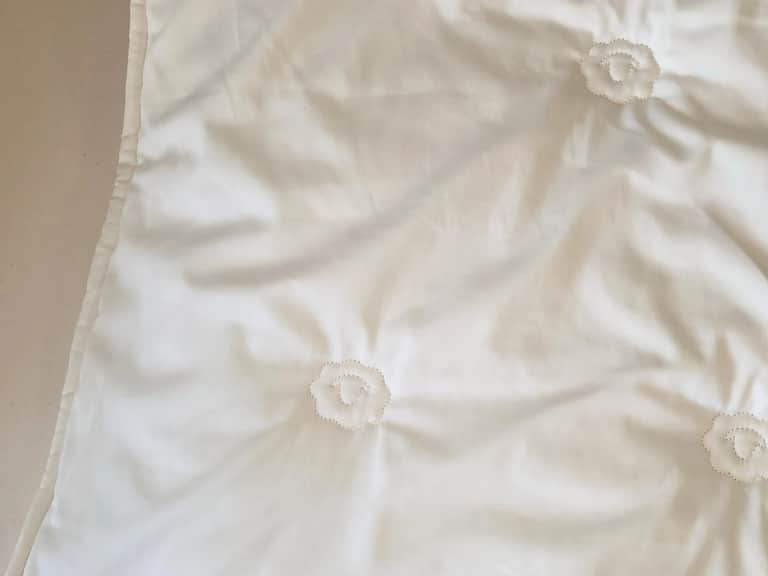
In the world of baby textiles, a product like the Natural Wool Toddler Comforter offers a tactile demonstration of how certification and material choices translate into real experience. This quilted comforter uses domestically sourced eco wool encased in an organic cotton 300 TC sateen shell, delivering warmth, breathability, and a design that respects ecological boundaries. The wool’s moisture management supports seasonal comfort, while the shell’s organic cotton ensures skin-friendly softness.
Certification-wise, the use of eco wool and organic cotton aligns with responsible textile practices, and the product’s construction emphasizes durability and safe use—an embodiment of safety and luxury in a single piece.
Product Spotlight
Natural Wool Toddler Comforter
Price: $239.00
Description: Lightweight, all natural toddler comforter with domestically sourced eco wool inside an organic cotton sateen shell. Quilted with a sheep design for lasting warmth and breathable comfort.
This example underscores how a single piece can intersect with certification narratives, material purity, and a refined design language. It’s a reminder that baby bedding isn’t just about function; it is about a philosophy of care.
Three notable figures who shaped textile ethics across eras
Amelia Earhart (1897–1939)
While best known for aviation, Earhart’s era catalyzed a broader conversation about women’s safety and mobility, echoing in textiles that empower caregivers to travel with infants safely. Her advocacy for practical, reliable gear echoed the modern emphasis on durable, comfortable baby textiles designed for real life.
Elsie de Wolfe (1865–1950)
A pioneer of interior style, Wolfe championed calm, cohesive aesthetics in living spaces. Her influence on color palettes, textures, and deliberate design choices informs today’s approach to baby nurseries—where neutral tones and natural fibers create soothing environments aligned with safety standards.
Dr. Maria Montessori (1870–1952)
Montessori’s emphasis on environment-driven learning and safety resonates with modern textile ethics: design nursery spaces that respect infant safety, promote tactile exploration, and use materials that are physically and emotionally gentle.
Direction C in practice: applying certification knowledge to a resource-focused site
For a resource center dedicated to eco-friendly baby care and product safety, the certification framework acts as a north star. Readers expect clear guides, reliable recaps of regulatory changes, and practical checklists to support safer nursery decisions.
The goal is to empower parents with transparent information that respects their desire for safe, sustainable choices without pressuring commercial outcomes. This approach aligns with a non-commercial, trust-building identity and complements a thoughtful editorial voice that blends expertise with empathy.
Conclusion: weaving trust, ethics, and elegance
In the end, textile certifications like GOTS and OEKO-TEX are more than labels; they are commitments to safe skin, responsible sourcing, and a clean, conscious approach to infant comfort. For baby bedding, these standards offer practical peace of mind to parents and a stylish assurance that the nursery you curate is a safe sanctuary as much as it is a sanctuary of design.
Selected product example within the editorial frame
Natural Wool Toddler Comforter
A luminous example of textile ethics in action. This comforter blends domestically sourced eco wool with an organic cotton sateen shell, delivering warmth and breathability for evolving temperatures.
Price: $239.00
Product Spotlight
Natural Wool Toddler Comforter — quilted with a durable sheep design; breathable warmth and easy care.
Origin: Domestic wool, organic cotton shell.
Note: Product details reflect sample editorial quoting for illustrative purposes. Availability may vary.